An excavator is a key piece of equipment for digging, moving earth, and for heavy-lifting tasks in general. From construction sites to forestry, the type of excavator you use is an important one.
Choosing the size of your excavator isn’t just picking the biggest one in the hopes it can do everything you need. You want to think about access needs, how productive it will be for the project, and the total job cost, with this contributing to it.
In this guide, we’ll take a look at why you would want to pick a 30-tonne excavator and when other options might be a more suitable pick.
What a 30-Tonne Excavator Is Best For
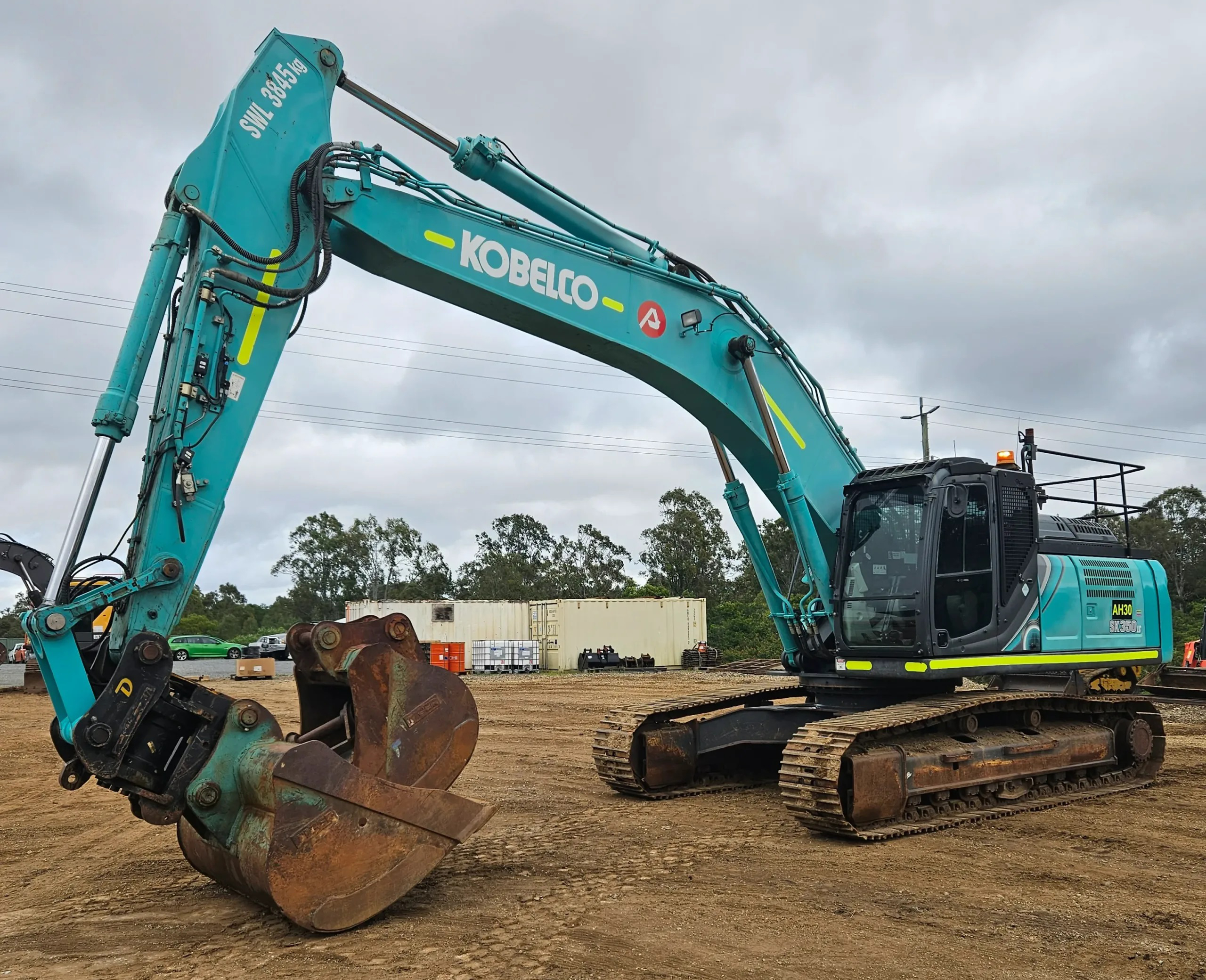
30-tonne excavators are likely best for dealing with bulk earthworks and digging deep trenches. It can be helpful for work that involves a lot of rock, as well as dealing with plenty of heavy lifting duties.
The benefit of this type of excavator in particular is that it offers faster cycle times and a larger bucket capacity. That means fewer passes and less time wasted throughout the working day.
An excavator of this size is ideal for dams, quarries, and subdivisions.
When a 14–20T Machine Is the Smarter Choice
While a 30-tonne excavator has its uses and benefits, it might not always be the appropriate choice. Instead, a 14-tonne – 20-tonne excavator may be the smart option depending on the needs and the project itself.
For example, a 14-20T machine is helpful for urban lots and dealing with tighter spaces where there might not be much in the way of accessibility. You get shorter float times with this machine, and it provides lower ground pressure, which may be necessary to have a lighter load.
With a lower fuel burn and mobilisation cost for smaller jobs, it makes this machine is a more affordable one. There’s versatility when swapping between tasks and attachments all day for this machine, too.
Attachments That Change the Equation
While the excavator itself is important to consider, there are also the various attachments that can be added onto the excavator that need to be factored in, too.
There are a number of attachments that you might need and want as part of the cost. These include:
Regardless of the excavator you choose, you get a lot more productivity and effort with each accessory you consider. For example, if you’re adding one of the above attachments to a smaller machine, that excavator will certainly pack a punch.
Alternatively, if you’re opting for the 30 tonne excavator hire, you’ll have an unstoppable machine, even on tough ground.
Access, Transport & Site Constraints
When factoring in the size of the excavator, you should be thinking carefully about access to the grounds. The width, height, and weight realities are something to think about so that you’re not stuck with a big piece of equipment and no possible way of entry to the site. Ground bearing is something to consider, as well as overhead services to help transport the excavator when ground access is unavailable.
There’s also haulage and float considerations to make, which might mean that the 30T is physically impractical on some sites. As useful as it would be for the groundwork and tasks needed, a smaller size might be more suitable.
Cost vs Productivity: A Quick Way to Decide
A quick and easy way to decide on the excavator size would be to look at the cost versus productivity. Between a 14-tonne excavator to a 30 excavator, there’s a simple mental model to use:
material to move (m³) × cycle time × hours on site + mobilisation.
Fewer days on the site will offset a higher day-rate, but conversely, small jobs might not recover the float costs.
Choosing Your Machine: A Short Checklist
Choosing an excavator size doesn’t always need to go by the motto of bigger is better, because the reality is that’s not always the case. Here’s a short checklist of considerations to make before deciding on a bulk earthworks excavator.
- Job type and material
- Dig depth and reach
- Access requirements
- Attachments required
- Haul distance
- Timeline
If you’re looking for a large excavator hire in Gympie, Wide Bay, or the Sunshine Coast, then be sure to speak with the team here for sizing advice.